Medicare 2026 changes You Need to Know
If you’ve ever thought Medicare should be simpler and easier to budget, 2026 is your year. Drug costs get more predictable, primary-care support steps up between visits, and Medicare’s digital tools make day-to-day management less of a chore. Below is the plain-English rundown, what it means in real life, and the small moves to make now so you’re ready on January 1.
The big picture: why 2026 matters
Three changes drive most of the impact you’ll feel:
A hard annual stop on what you pay out of pocket for covered Part D drugs: $2,100 in 2026. Hit it, and you owe no copays or coinsurance for covered Part D drugs for the rest of the year.
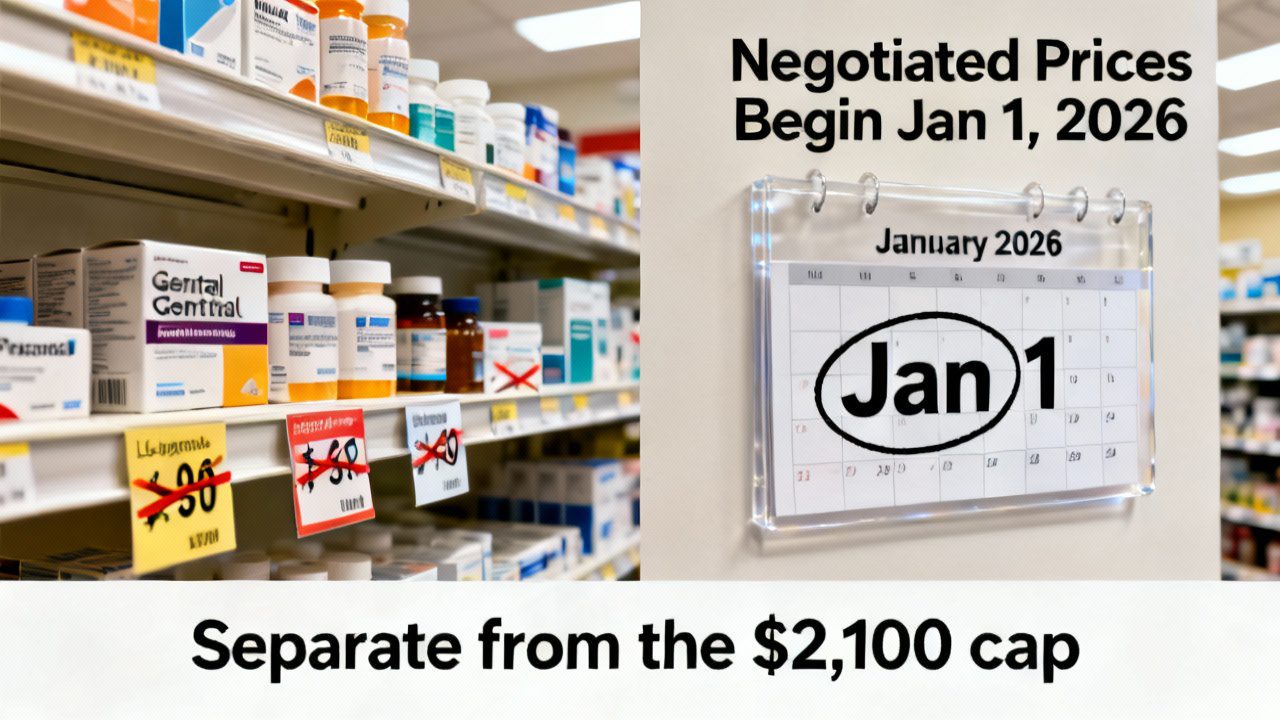
Negotiated prices for an initial set of high-spend drugs take effect Jan 1, 2026. Think price pressure on select meds.
Advanced Primary Care Management gives you more coordinated support between visits, including 24/7 access to your care team or provider.
Pair that with Medicare’s Prescription Payment Plan—a budgeting option that spreads your Part D payments monthly—and 2026 starts to look less stressful on the wallet.

The $2,100 Part D cap

How it actually feels at the counter
Here’s the real-life version. In 2026, as your covered drug costs add up through the year, they count toward a single $2,100 out-of-pocket limit. Once you hit that number, you stop paying copays or coinsurance for covered Part D drugs for the rest of the calendar year. Refills in November and December stop feeling like roulette.
What counts toward the cap: your out-of-pocket spending for covered drugs (and certain third-party payments). Non-covered meds don’t count. When in doubt, check your plan’s formulary.
Tip: if your costs tend to spike early in the year, consider the Prescription Payment Plan. It doesn’t reduce what you owe overall—it simply smooths your payments into a monthly bill from your plan, which can be easier for cash flow.
Negotiated Drug Prices
What changes Jan 1, 2026
This is separate from the cap. CMS published negotiated prices (Maximum Fair Prices) for an initial set of Part D drugs that start Jan 1, 2026. Your plan can tell you whether any of your meds are on that list and how your price will look. Think of negotiation as pressure on the price of certain drugs, while the $2,100 cap is a safety net for your total annual spend. Both help, in different ways.
Advanced Primary Care Management
Support Between Visits
If you’ve ever felt alone between appointments, this one matters. Advanced Primary Care Management is a Part B-covered monthly service where your primary-care team coordinates care tailored to you—med changes, referrals, follow-ups—and offers 24/7 access to your care team or provider. Ask your clinic if they offer it and what after-hours access looks like (phone, portal, nurse line).
Go digital in 2026
Faster Updates , Fewer Surprises
A Medicare.gov account puts useful tools in one place: add your drugs to compare plans, turn on electronic Medicare Summary Notices (e-MSNs) to see claims sooner, print your Medicare card, and track preventive services. Less paper, quicker updates.
What This Means
If you’re aging-in vs. already on Medicare
Aging-In (turning 65)
Use your Initial Enrollment Period to choose coverage that fits your prescriptions and doctors. The $2,100 cap makes drug budgeting more predictable, and the Payment Plan can stabilize early-year costs. Set up your Medicare.gov account before you compare.
Already on Medicare
Review your meds list, check plan materials for 2026, and ask if any of your drugs have negotiated prices. If January always hits hard, the Payment Plan can smooth the spike. Turn on e-MSNs to catch billing errors early.
Avoid these common gotchas
Counting non-covered meds toward the cap: Only covered Part D drugs count. Confirm coverage status.
Mixing up negotiation and the cap: Negotiation affects the price of certain drugs; the cap limits your yearly out-of-pocket total.
Not using digital tools: e-MSNs arrive faster than paper, helping you spot problems early.
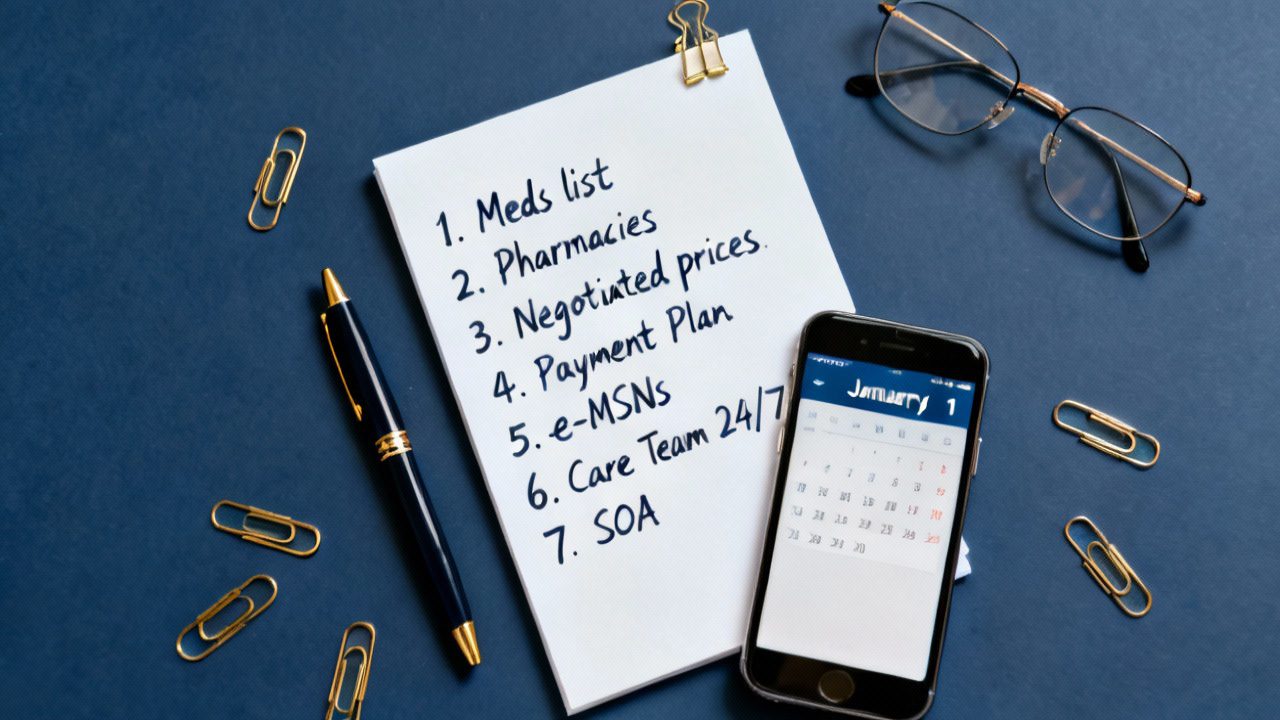
Your 7-step prep list for 20261.List your meds (name, dose, pharmacy). You’ll need this to compare plans and estimate how fast you’ll approach the cap.
2. Add meds and pharmacies to your Medicare.gov account to get apples-to-apples plan comparisons.
3. Ask your plan if any of your drugs have negotiated prices in 2026 and what that means for you.
4. Decide on the Prescription Payment Plan if you want steadier monthly bills. It’s optional, and it doesn’t lower total costs.
5. Turn on e-MSNs to track claims fast and reduce paper.
6. Ask your clinic about Advanced Primary Care Management and how to access your team after hours.
7. Complete your SOA before any plan-specific discussion so we can review your options.Quick FAQs
Is the $2,100 cap automatic or do I need to sign up?
Automatic. It applies to covered Part D drugs in 2026; once you hit it, you owe no copays or coinsurance on covered drugs for the rest of the year.
Does the Prescription Payment Plan save money?
No. It’s a budgeting tool that spreads your costs monthly; it doesn’t reduce your total.What changes on Jan 1, 2026 with negotiated prices?
An initial set of Part D drugs has Maximum Fair Prices that start that day. Ask your plan if your meds are included.
What is Advanced Primary Care Management?
A Part B-covered monthly service where your primary-care team coordinates your care and offers 24/7 access.
Want a no-pressure review tailored to your meds, doctors, and budget? Call to schedule a call or email us now. We’ll walk you through the 2026 changes and help you choose what fits. Get your free Coverage Checkup today.